
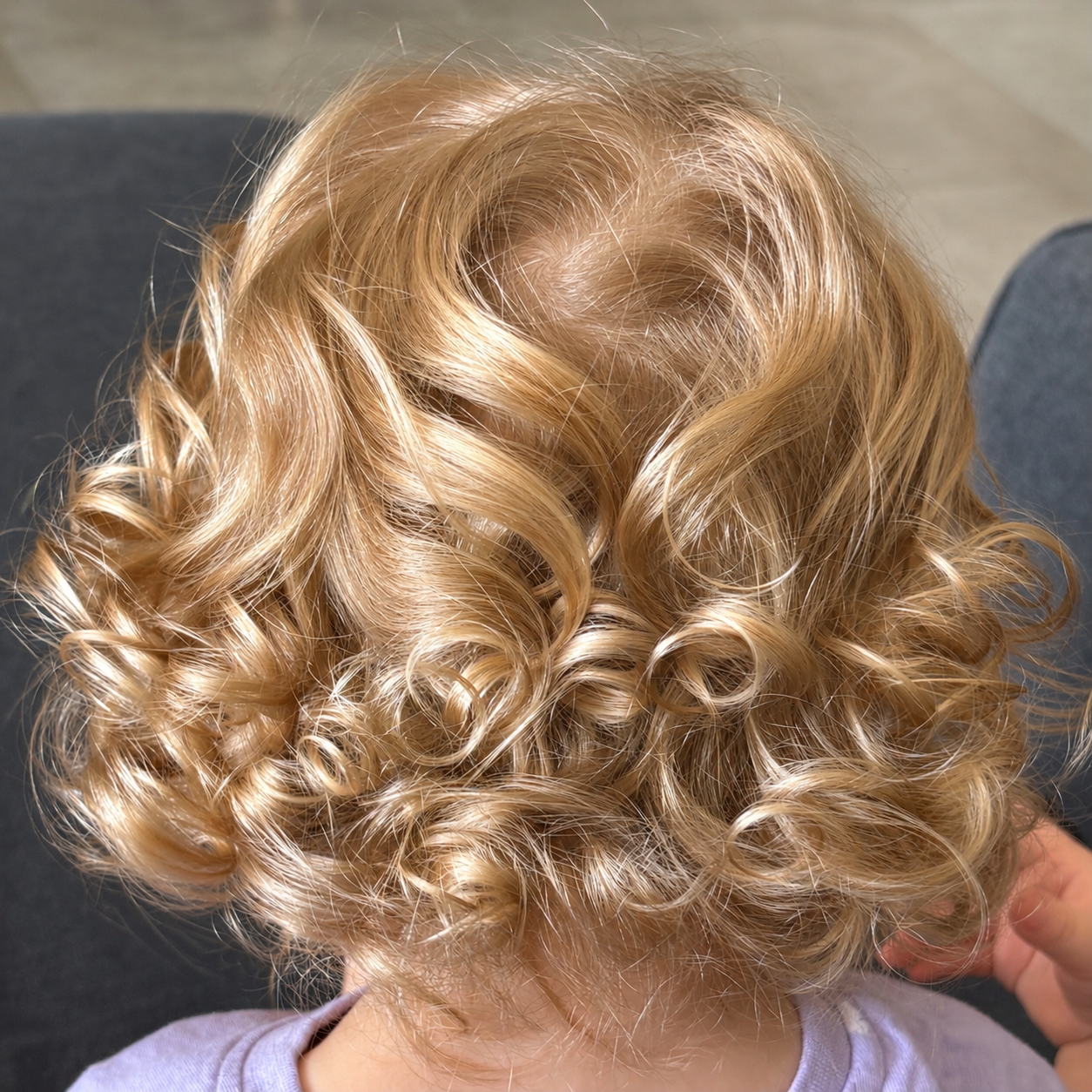
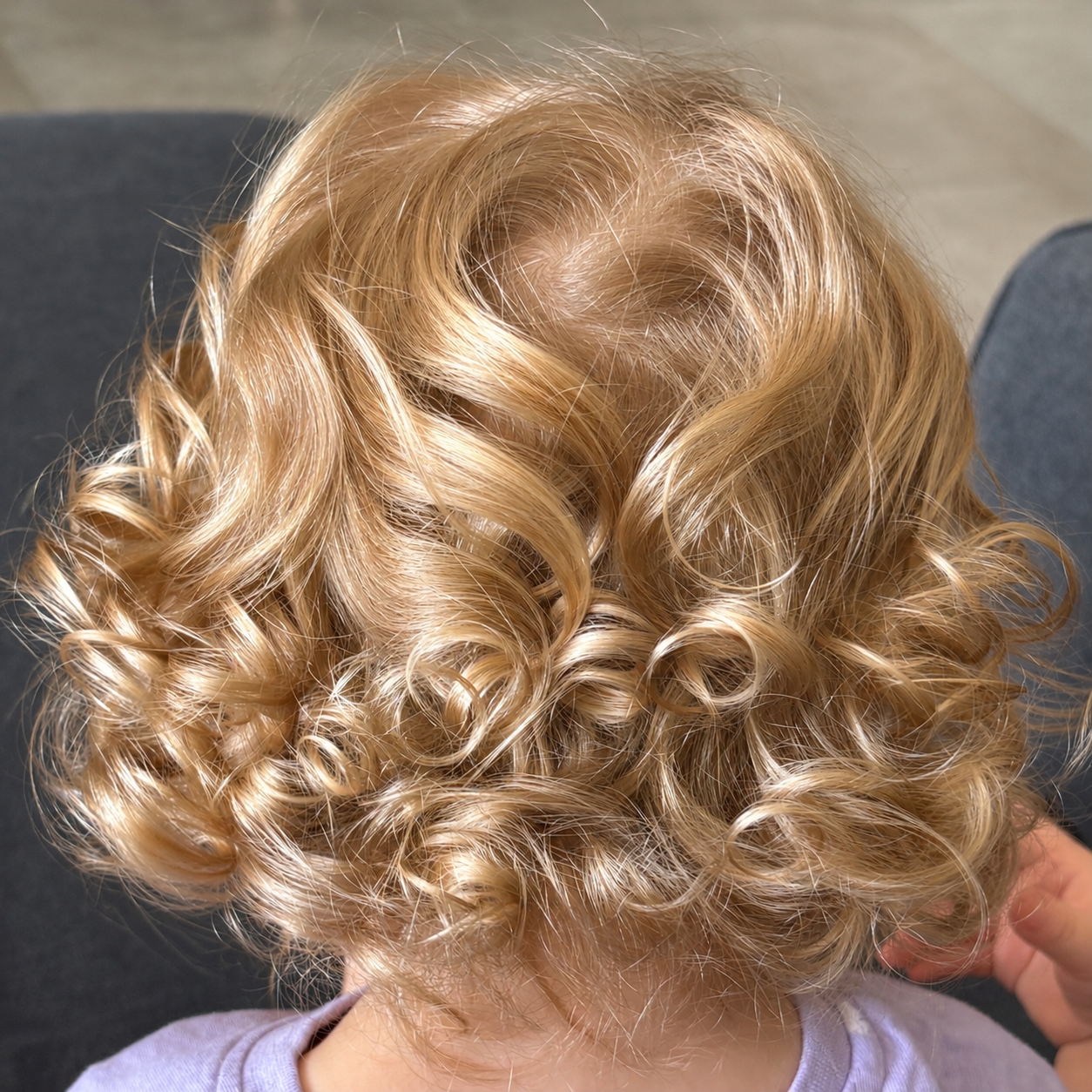
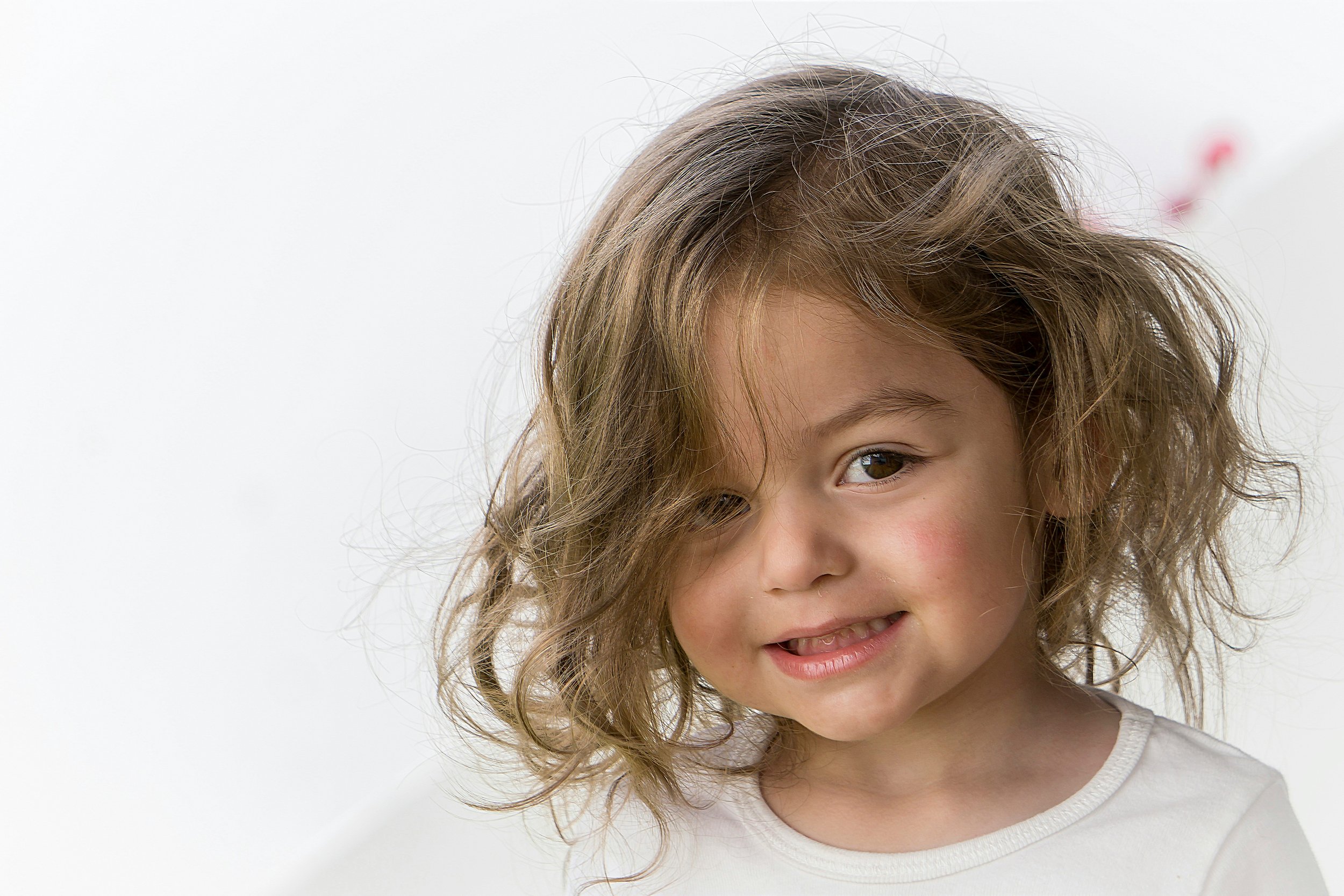
There’s something particularly adorable about a head full of toddler curls. From soft ringlets and bouncy spirals to little coils that seem to have a personality of their own, curly hair is beautiful. However, anyone who has tried to detangle a toddler’s curls before breakfast will know that keeping them looking their best can sometimes be a challenge.
Curly hair generally requires a little more attention than straight hair. Its natural structure means that sebum, the scalp’s natural oil, doesn’t travel as easily down the twists and bends of each strand. This can leave curls more susceptible to dryness, tangling and frizz.
The good news? Caring for your little one’s curls doesn’t require an elaborate routine or an entire cupboard of products. A few simple habits, gentle handling and the right haircare products can make a significant difference.
To explore the best ways to care for little curls, we’ve also included professional insights from Angélique, trainer and stylist at INOAR South Africa.
Understanding Those Little Curls
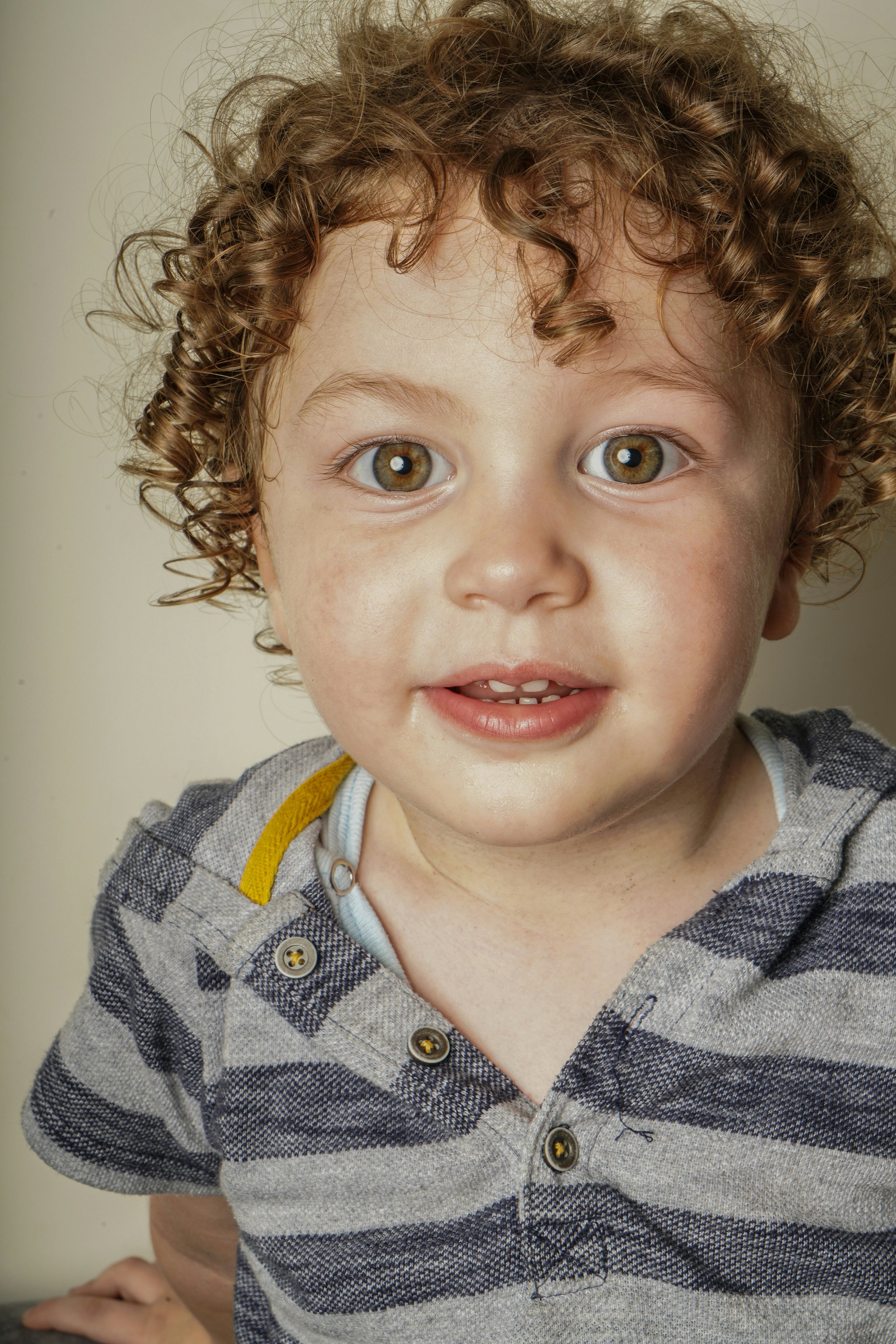
Not all curls are created equal. Children’s hair can range from loose waves and soft ringlets to tighter coils, with each texture having slightly different needs.
Curly hair tends to be more susceptible to dryness and breakage, particularly when it is brushed incorrectly or handled too roughly. The bends along the hair shaft create more opportunities for individual strands to wrap around one another, making tangles a common occurrence.
It’s also worth remembering that toddler hair is still developing. Curl patterns, thickness and texture can change as children grow, so the hair your little one has today might look quite different a few years from now.
Rather than trying to achieve a particular curl pattern, the focus should be on keeping the hair and scalp healthy while working with its natural texture.
Start With a Gentle Wash
Washing is an important part of any haircare routine, but curly hair doesn’t necessarily need to be shampooed every day.
Overwashing can remove some of the hair’s natural oils, potentially leaving curls feeling dry and difficult to manage. Depending on your child’s hair texture, scalp condition and activity levels, washing a couple of times a week may be sufficient. Some children may need more frequent washing, while others can comfortably go longer between washes.
Choose a gentle shampoo suitable for your child’s age and hair type. Massage it into the scalp using your fingertips rather than scrubbing vigorously, allowing the shampoo to cleanse the roots before rinsing thoroughly.
Remember that scalp health comes first. Sweat, dirt and product residue should be removed when necessary, rather than following a rigid washing schedule simply to preserve curls.
Should You Double Cleanse Curly Hair?
Double cleansing involves shampooing the hair twice during one wash session. While this technique is sometimes recommended for removing stubborn product build-up, it isn’t a necessary part of every curly-hair routine.
One thorough shampoo is generally sufficient for everyday cleansing, particularly when caring for a toddler’s scalp.
A second wash may occasionally be useful if there is significant product build-up or the scalp remains particularly dirty. However, repeatedly shampooing when it isn’t needed can leave hair feeling stripped and dry.
For little ones, keep things simple: cleanse the scalp gently, rinse thoroughly and follow with conditioner.
Conditioner Is Your Curls’ Best Friend
If there’s one step parents of curly-haired toddlers shouldn’t overlook, it’s conditioning.
Conditioner helps smooth the hair’s surface, improve manageability and reduce friction between strands. This makes detangling considerably easier and can help minimise unnecessary breakage.
Apply a small amount of age-appropriate conditioner through the lengths and ends of the hair, following the product instructions before rinsing.
For particularly knot-prone curls, a suitable leave-in conditioner can also help keep hair manageable between washes.
The trick is finding a balance. Too little conditioning can leave curls difficult to manage, while using too much product can cause build-up and weigh finer hair down.
Knots, Tangles and How to Keep Them at Bay
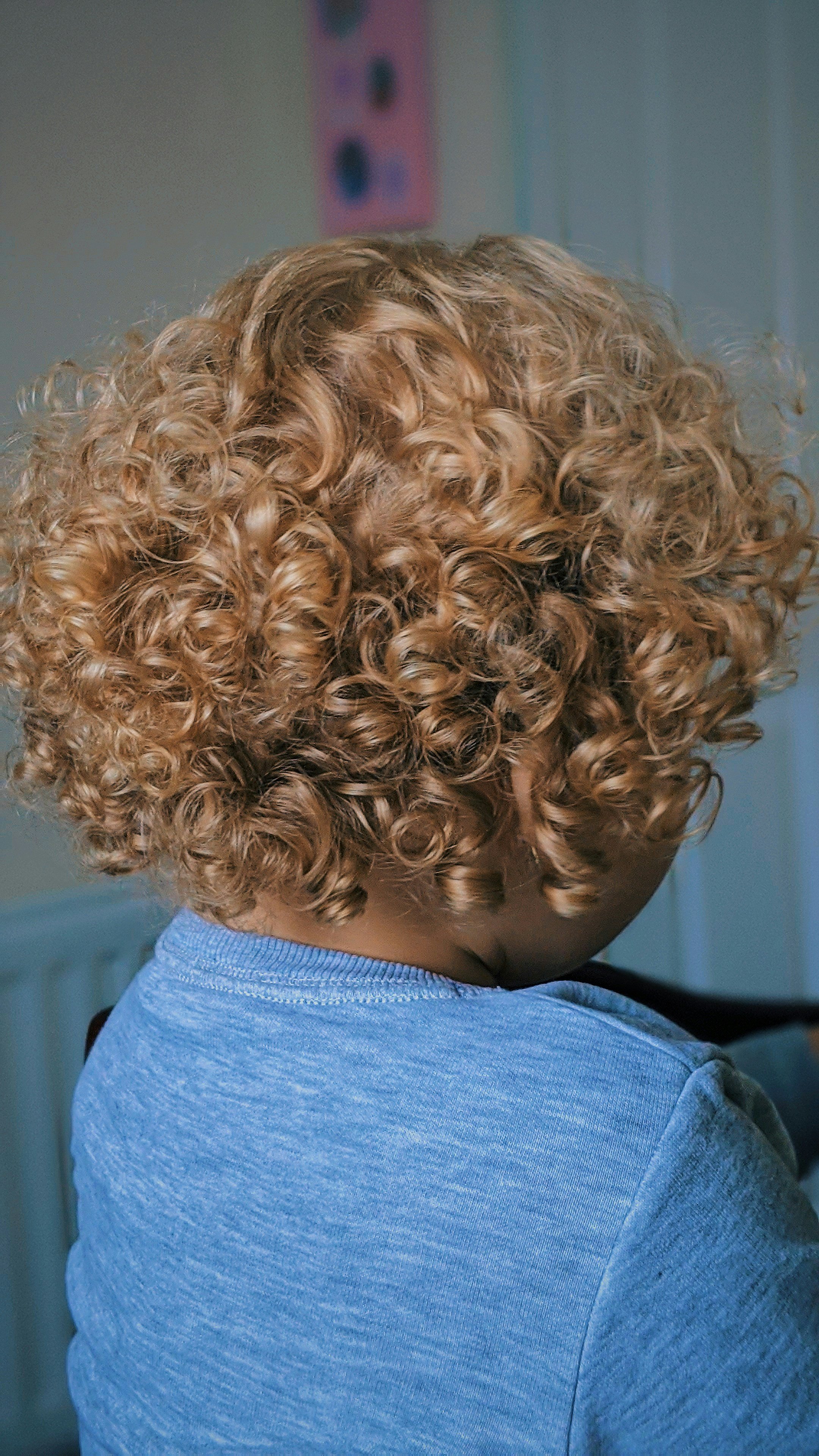
If you have a curly-haired toddler, you’ll probably be familiar with the morning hair struggle. One minute you’re admiring those beautiful ringlets, and the next you’re faced with a tangled mass at the back of their head.
Friction from clothing, bedding and everyday play can make the problem worse. The secret is knowing how to tackle knots without causing unnecessary pulling, discomfort or breakage.
When knots happen:
Add moisture: Lightly dampen the tangled section with water and apply a little suitable conditioner or detangling product.
Use your fingers first: Gently loosen the knot rather than immediately reaching for a brush.
Work in small sections: Separate the hair into manageable sections to make detangling easier.
Start at the ends: Use your fingers or a wide-tooth comb, gradually working upwards towards the roots.
Take your time: Stubborn knots may need additional conditioner and patience. Never force a comb through tangled hair.
How to prevent knots:
Prevention is often much easier than dealing with a head full of tangles.
Keep curls adequately conditioned to improve manageability.
Gently detangle after washing and whenever necessary between wash days.
Pay particular attention to the nape of the neck, where friction from clothing can create stubborn tangles.
Choose soft hair ties and accessories without rough edges.
For longer hair, try a loose braid or ponytail at bedtime.
Consider a satin pillowcase to help reduce friction while sleeping.
A little daily maintenance can make wash days and morning styling considerably easier.
Between Wash Days: How to Refresh Those Little Curls
Not every bad hair day needs a shampoo session. Sometimes all those little curls need is a quick refresh to bring back their natural bounce and definition.
Refreshing curls is a simple way to keep toddler hair looking neat and manageable without repeatedly shampooing or saturating the hair with styling products.
Here’s how to do it:
1. Start with water. Lightly mist the hair with plain water using a spray bottle. Focus on areas where curls have become flattened or frizzy. There’s no need to soak the entire head.
2. Reshape with your fingers. Gently separate individual curls and scrunch the hair upwards towards the scalp to encourage its natural curl pattern.
3. Add a little leave-in conditioner if needed. If the hair feels particularly dry, apply a small amount of child-appropriate leave-in conditioner through the lengths and ends. Always check age recommendations.
4. Allow the curls to air-dry. Once you’ve reshaped the curls, leave them to dry naturally. Avoid brushing through them while they’re drying, as this can disrupt their definition and create frizz.
A little tip: If your toddler wakes up with flattened curls at the back of their head, concentrate on refreshing that area rather than wetting the entire head. Water alone is often enough to bring those curls back to life.
Drying and Styling Little Curls
How you dry your toddler’s hair can influence how their curls look once they’re dry.
Rather than rubbing the hair vigorously with a bath towel, gently squeeze out excess water using a soft microfibre towel or cotton T-shirt. This helps reduce friction and can minimise frizz.
Whenever possible, allow curls to air-dry naturally. If you do use a hairdryer, keep the temperature low and avoid holding it too close to the scalp.
When it comes to styling, less is more. Children’s curls don’t need complicated styling routines or excessive manipulation.
Angélique from INOAR South Africa recommends applying a small amount of lightweight curl product to damp hair, gently scrunching upwards and allowing the curls to air-dry wherever possible. She also advises avoiding excessive touching while the hair dries, as this can interfere with curl definition.
For toddlers, make sure any styling product is specifically suitable for their age.
Loose ponytails, soft clips and gentle hairstyles are ideal for little ones. Avoid hairstyles that pull tightly on the hairline, as repeated tension can contribute to hair breakage and traction-related hair loss.
Don’t Forget Bedtime Haircare
Morning tangles can often be reduced with a little attention before bedtime.
Friction against pillowcases can contribute to tangling, frizz and flattened curls overnight. A smooth satin pillowcase may help reduce friction, although it isn’t essential.
If your toddler has longer curls, loosely gathering the hair into a soft braid or ponytail can also help prevent excessive tangling. Avoid tight elastics and accessories that can snag or pull on the hair.
The aim isn’t to create a complicated bedtime routine. It’s simply to make the next morning’s detangling session a little easier.
A Little Curl Love: Biosense Professional Curls
Finding suitable haircare products for little ones can take some trial and error. Parents should look beyond the packaging and choose formulations appropriate for their child’s hair and scalp.
One range we’ve been exploring is Biosense Professional Curls, which includes three products designed to work together as part of a curly-hair routine.
The range features a Shampoo for Defining Curls, a Conditioner for Defining Curls featuring oat kernel, and a Leave-in Treatment for Defining Curls featuring baobab oil.
The shampoo cleanses, the conditioner helps improve softness and manageability, while the leave-in treatment is designed to hydrate and define curls.
Following a conversation with the brand’s retail manager, the range was confirmed as suitable for toddler use. Parents should nevertheless check the recommended minimum age, follow the product instructions and introduce products individually to monitor how their child’s hair and scalp respond.
For parents looking to establish a simple three-step routine, the range offers a shampoo, conditioner and leave-in treatment that can be incorporated into wash day and everyday curl maintenance.
A Professional Perspective: INOAR South Africa
While the focus of any toddler haircare routine should remain on gentle cleansing, conditioning and careful handling, professional advice can help parents better understand how to work with natural curl patterns.
Angélique, trainer and stylist at INOAR South Africa, emphasises the importance of moisture, minimal manipulation and embracing a child’s natural texture.
INOAR’s My Curl My Crush range is designed for curly hair, with products intended to support moisture and curl definition. Angélique specifically highlights the My Curl My Crush Curl Activator Spray as an option for refreshing curls between washes.
As with any styling product, parents should check the individual product’s age suitability before using it on younger children.
Her final advice is a reminder that healthy curls don’t need to be perfect:
“The most important thing is to work with your child’s natural curl pattern, not against it. Keep the routine gentle, prioritise moisture and teach your little one to love their curls from an early age. Beautiful curls aren’t about perfection – they’re about healthy, happy hair!”
The Little Things That Make a Big Difference
Ultimately, caring for toddler curls isn’t about achieving perfectly defined ringlets or eliminating every bit of frizz. It’s about establishing healthy haircare habits from an early age.
A few simple reminders:
Choose gentle, age-appropriate haircare products.
Wash according to your toddler’s scalp and hair needs.
Double shampoo only when genuinely necessary.
Condition regularly to improve softness and manageability.
Refresh curls with water between wash days.
Detangle damp hair gently, working from the ends upwards.
Prevent knots with regular maintenance and gentle bedtime hairstyles.
Avoid excessive heat and tight hairstyles.
Keep styling products to a minimum.
Most importantly, embrace the curls. They don’t need to be perfectly styled, completely frizz-free or identical every morning.
Sometimes the best toddler hairstyle is simply a head full of happy, healthy curls.